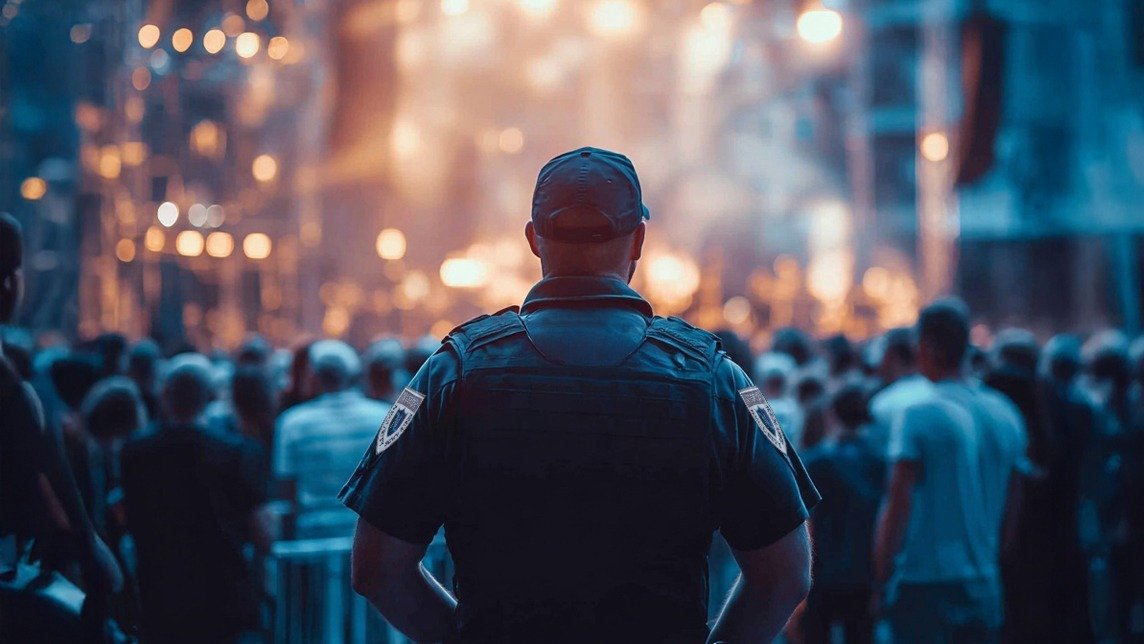
As businesses, residential communities, and event organizers navigate an increasingly complex risk environment, physical security is becoming more strategic, visible, and proactive. Looking ahead to 2026, organizations are rethinking how they protect people, property, and assets — placing a stronger emphasis on trained security personnel, real-time response, and integrated safety planning.
At Narrow Security, we stay ahead of emerging physical security trends to help clients maintain safe, controlled environments. Below are the top questions to watch for in 2026 and what they mean for organizations that prioritize safety.
1. Is there an Increased Demand for Armed Security Officers?
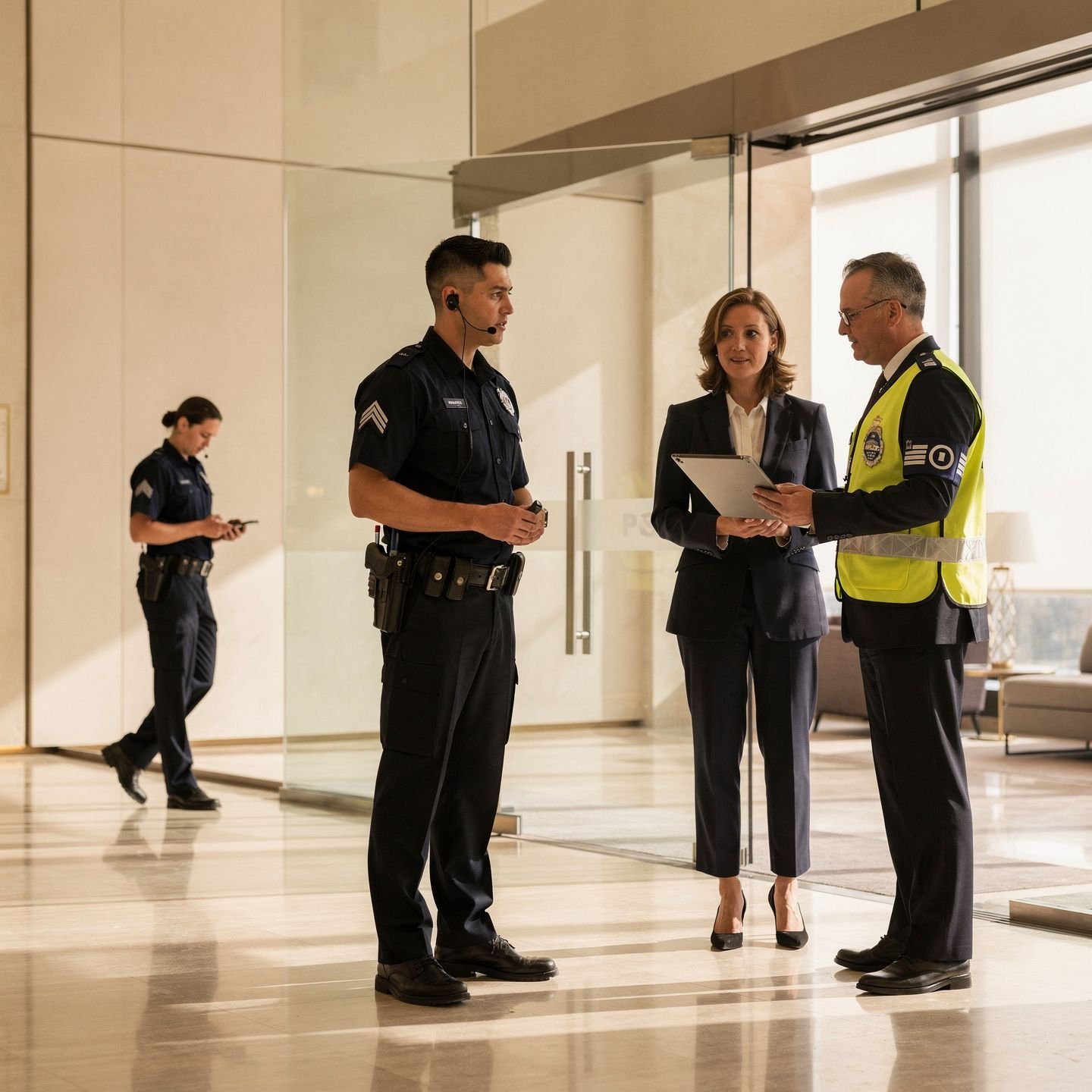
One of the most significant trends heading into 2026 is the growing demand for armed security officers in both public and private settings. Businesses and property owners are recognizing that a visible, trained armed presence can act as a powerful deterrent to criminal activity.
Armed security officers are increasingly being deployed in:
- Corporate campuses and office buildings
- Residential communities and HOAs
- Retail centers and mixed-use developments
- High-profile events and venues
Clients are seeking professionally trained officers who combine strong situational awareness with customer service and de-escalation skills — not just force.
2. Is Event Security Becoming More Specialized?
As live events continue to grow in size and complexity, event security planning is evolving beyond basic crowd control. In 2026, event organizers are prioritizing comprehensive, site-specific security strategies that address both safety and guest experience.
Modern event security now includes:
- Pre-event risk assessments
- Access control and credential verification
- Crowd flow and perimeter management
- Rapid-response security teams
- Coordination with local law enforcement
From corporate events and private functions to large-scale public gatherings, professional event security services are essential to ensuring smooth operations and attendee confidence.
3. Is Visible Security a Crime Deterrent?
In 2026, organizations are leaning into the value of high-visibility security. Uniformed officers, patrol vehicles, and on-site presence are proven deterrents that help prevent incidents before they occur.
This trend is especially strong in:
- Retail and shopping centers
- Parking facilities and garages
- Residential communities
- Construction sites
Rather than relying solely on cameras or remote monitoring, businesses are investing in on-the-ground security personnel who can respond immediately and make informed decisions in real time.
4. Is Executive and Personal Protection Services Expanding?
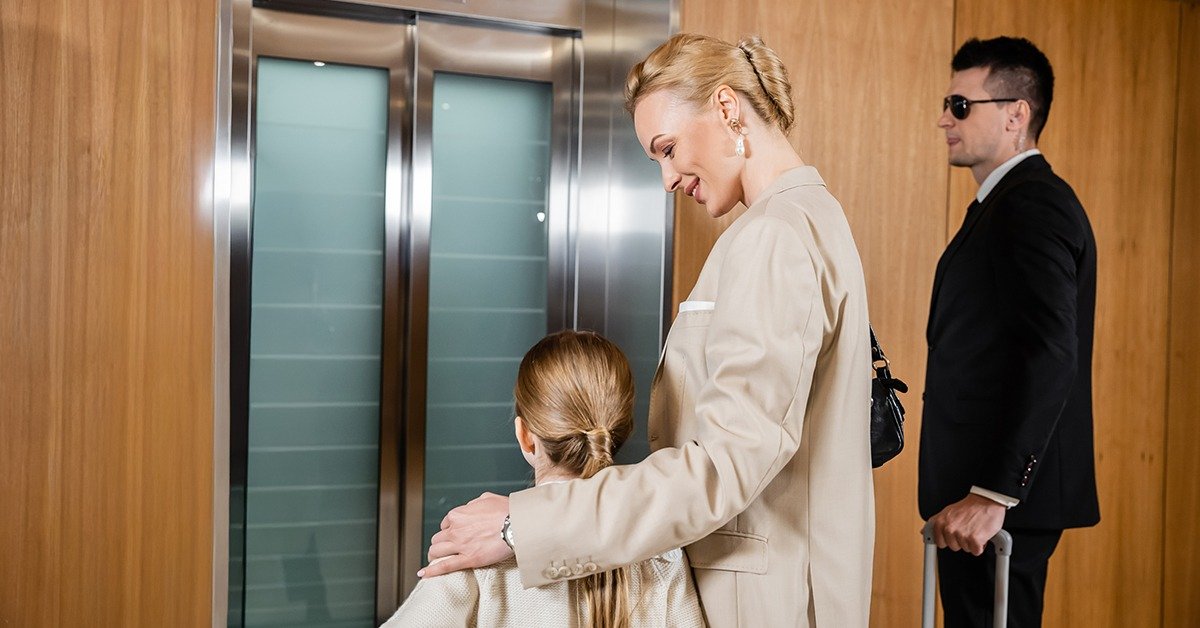
With rising concerns around personal safety, executive protection and personal security services are becoming more common — not just for executives, but also for public figures, high-net-worth individuals, and families.
By 2026, executive protection will increasingly include:
- Advance route and venue planning
- Discreet close protection officers
- Travel security coordination
- Event and appearance security coverage
Clients are seeking protection that is low-profile, professional, and adaptive, allowing them to move freely while remaining secure.
5. How is Access Control and Physical Security Integration Evolving?
While technology continues to support physical security, the emphasis in 2026 is on integration, not replacement. Access control systems work best when paired with trained security personnel who can assess situations and intervene when necessary.
Common integrations include:
- Badge and credential systems
- Controlled entry points staffed by officers
- Visitor screening and verification
- Security patrols supporting access enforcement
This layered approach creates stronger perimeter control and reduces unauthorized access across facilities.
6. Are Security Officers Acting As Safety Ambassadors?
Modern security officers are no longer just guards — they are safety ambassadors. In 2026, clients expect officers who can:
- Provide assistance and directions
- Communicate clearly and professionally
- De-escalate tense situations
- Represent the brand or property positively
This shift highlights the importance of training, professionalism, and appearance in physical security services.
Organizations are choosing security providers who invest in officer development, customer interaction, and situational training.
7. Are Customized Security Plans Better than One-Size-Fits-All Solutions?
Every property, event, and organization faces unique risks. In 2026, the demand for customized security solutions continues to rise.
Effective physical security planning includes:
- Site-specific risk assessments
- Tailored staffing levels
- Flexible scheduling
- Clear emergency response protocols
Businesses want partners who understand their environment and can adapt security coverage as needs evolve.
How Can You Prepare for the Future of Physical Security?
The physical security landscape in 2026 is defined by visibility, preparedness, and professionalism. Organizations that take a proactive approach to in-person security are better positioned to prevent incidents, protect assets, and provide peace of mind to employees, residents, and guests.
A modern physical security strategy should include:
- Trained armed and unarmed officers
- Event and executive protection planning
- Visible patrol and on-site presence
- Access control support
- Rapid response capabilities
Why Choose Narrow Security
At Narrow Security, we specialize in professional in-person security services designed to meet the demands of today’s environments and tomorrow’s challenges. From armed security officers and event security to executive protection and customized patrol services, our team is committed to delivering reliable, visible, and effective protection.
As 2026 approaches, now is the time to evaluate your physical security strategy and ensure you’re prepared for what’s ahead. Contact us today for a customized proposal.